


Gum Disease & Dental Implants: What You Need to Know
If you’ve been told you have gum disease or you’ve noticed bleeding gums, bad breath, or loose teeth, you might wonder what that means for your smile. A common question we hear at Warm Smiles Dental Centre is:
“Can I still get dental implants if I have gum disease?”
The answer is yes in many cases, but healthy gums are essential for implant success. Understanding the connection can help you make informed decisions.
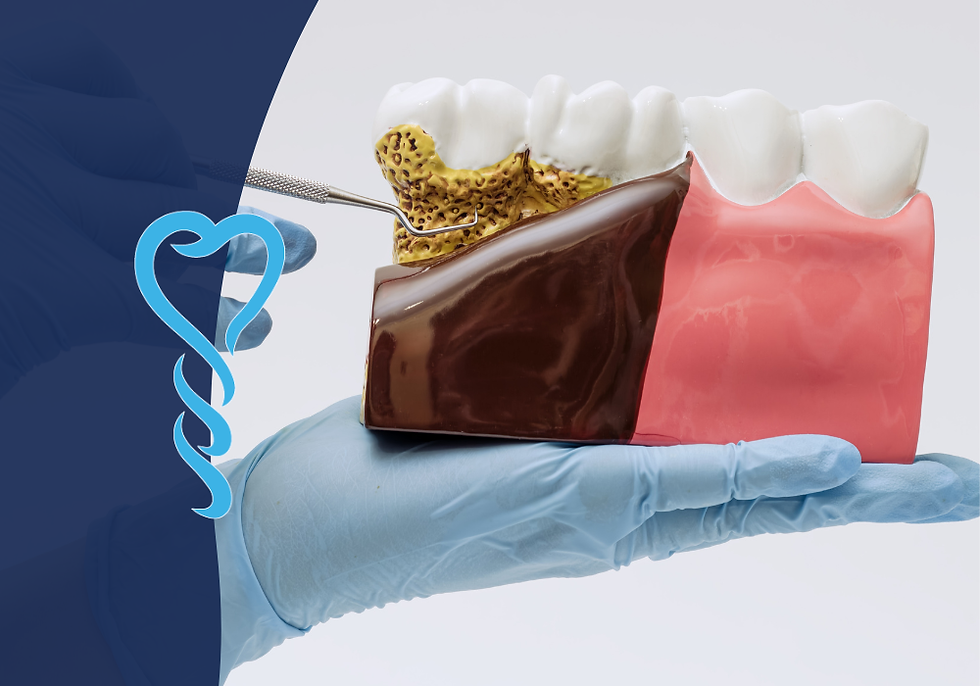
What Is Gum Disease?
Gum disease, also called periodontal disease, is an infection of the tissues supporting your teeth. It usually develops in two stages.
Gingivitis
Early, often reversible stage
Red, swollen, or tender gums
Bleeding while brushing or flossing
Bad breath
Periodontitis
Advanced stage if gingivitis is untreated
Gum recession and bone loss
Loose or shifting teeth
Can lead to tooth loss
Bone and gum health are directly linked to dental implant success.
Why Gum Health Matters for Implants
Dental implants replace missing teeth by anchoring a titanium post into the jawbone. For long-term success, they need:
Healthy gums to protect the implant
Strong bone to support it
A clean, infection-free environment during healing
Active gum disease increases the risk of implant failure. Untreated infection or inflammation can prevent proper healing and even lead to bone loss around the implant.
Can You Get Implants If You’ve Had Gum Disease?
Yes. A history of gum disease does not automatically rule out implants. The key is whether the gum disease is active or treated and under control.
With proper treatment and planning, many patients with past gum issues successfully receive implants. At Warm Smiles Dental Centre, we focus on stability, health, and long-term success.
Treating Gum Disease Before Implants
If gum disease is present, it must be addressed before implant placement. Common treatments include:
Deep cleaning (scaling and root planning)
Periodontal therapy to reduce infection
Antibacterial treatments if needed
Time for gums to heal and be re-evaluated
This creates a healthy foundation and significantly improves implant success.
What If You’ve Lost Bone?
Advanced gum disease can cause bone loss, but this does not automatically prevent implants. Modern solutions include:
Bone grafting to rebuild lost bone
Advanced implant techniques for reduced bone
Strategic implant placement using detailed imaging
A thorough consultation ensures the right plan for your unique needs.
Long-Term Care After Implants
Even after successful placement, patients with a history of gum disease need ongoing care. This includes:
Regular professional cleanings
Monitoring gum and bone health
Excellent daily oral hygiene
Avoiding habits that increase risk
Implants cannot decay like natural teeth, but the surrounding gums and bone still need protection.
Who Is a Good Candidate?
You may be a strong candidate if:
Gum disease has been treated and stabilized
You have sufficient bone or are open to grafting
You are committed to long-term oral care
You attend regular dental visits
We also provide extra care and guidance for nervous or first-time patients to ensure a comfortable experience.
Why a Consultation Matters
Dental implants are not one-size-fits-all, especially for patients with a history of gum disease. A consultation allows us to:
Assess gum and bone health
Review your dental and medical history
Plan precise implant placement with imaging
Create a personalized treatment plan for long-term success
Our goal is not just to replace teeth but to restore comfort, confidence, and quality of life.
Final Thoughts
Gum disease does not mean you have missed your chance for dental implants. With proper treatment, careful planning, and ongoing care, implants are still a viable and long-lasting solution.
Take the Next Step
At Warm Smiles Dental Centre, we offer complimentary consultations with no pressure and no obligation.
Book your consultation today to see if dental implants are right for you.
A healthier, more confident smile may be closer than you think.

Comments